
Introduction
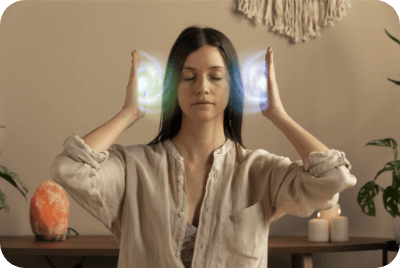
In the quest for holistic well-being, people are increasingly turning to alternative therapies that go beyond conventional medicine. Energy healing is one such practice gaining recognition for its potential to promote physical, emotional, and spiritual healing. In this blog, we will delve into the fascinating world of energy healing, exploring its principles, benefits, and how it can enhance our overall health and vitality.
Understanding Energy Healing
Energy healing is a holistic approach to health and wellness that considers the interconnectedness of the mind, body, and spirit. It is based on the belief that energy flows through our bodies, and when this energy becomes blocked or imbalanced, it can lead to physical and emotional ailments. Energy healers work to restore balance and harmony to these energy systems, promoting healing and well-being.
Key Principles of Energy Healing
- Universal Life Force Energy: Energy healers believe in the existence of a universal life force energy that flows through all living things. This energy is known by various names in different cultures, such as Qi in Chinese medicine or Prana in Hindu philosophy.
- Chakras: In energy healing, it is believed that there are seven major energy centers in the body called chakras. Each chakra is associated with specific physical and emotional aspects of our being. Energy healers work to open and balance these chakras to facilitate healing.
- Aura: The aura is an energy field that surrounds the body. Energy healers believe that the aura contains information about a person’s physical, emotional, and spiritual well-being. By working with the aura, healers can identify and address energy imbalances.
- Intention and Visualization: Energy healing often involves the use of intention and visualization. Healers focus their intention on promoting healing and use visualization techniques to direct energy to specific areas of the body.
Benefits of Energy Healing
- Stress Reduction: Energy healing can help reduce stress and anxiety by promoting relaxation and a sense of calm. It can also improve sleep quality, which is essential for overall well-being.
- Pain Management: Many people turn to energy healing as a complementary therapy for pain management. By unblocking energy pathways and promoting circulation, it may alleviate physical discomfort.
- Emotional Healing: Energy healing can be a powerful tool for addressing emotional wounds and trauma. It can help release pent-up emotions, promote emotional balance, and support mental health.
- Improved Immune Function: A balanced energy system is believed to contribute to a stronger immune system, helping the body defend against illness and disease.
- Enhanced Creativity and Clarity: Some individuals turn to energy healing to boost their creativity and clarity of thought. When the mind is clear and energy is flowing freely, it can lead to increased focus and creativity.
Types of Energy Healing Modalities
There are various energy healing modalities, each with its own unique techniques and approaches. Some of the most popular ones include:
- Reiki: Reiki is a Japanese form of energy healing that involves the laying on of hands to channel healing energy. It aims to balance the body’s energy and promote relaxation.
- Acupuncture and Acupressure: These ancient Chinese practices involve the insertion of needles (acupuncture) or applying pressure (acupressure) to specific points on the body to balance energy flow.
- Crystal Healing: Crystals are believed to have unique energy properties that can be harnessed for healing. Practitioners use crystals to balance chakras and promote healing.
- Pranic Healing: Pranic healing is based on the concept of cleansing and energizing the body’s energy centers. Practitioners use their hands to remove stagnant energy and replace it with fresh, vital energy.
- Theta Healing: Theta healing involves accessing the theta brainwave state to connect with the subconscious mind and make positive changes in one’s beliefs and thought patterns.
- Sound Healing: Sound healing uses vibrations from instruments such as singing bowls, gongs, and tuning forks to promote relaxation and balance in the body’s energy system.
Is Energy Healing Right for You?
While energy healing has gained popularity and has numerous reported benefits, it is essential to approach it with an open mind and a willingness to explore its potential. It is not meant to replace conventional medical treatment but can complement it in many cases. If you are considering energy healing, here are a few things to keep in mind:
- Research and Find a Qualified Practitioner: Look for a reputable energy healer who has received proper training and certification in their chosen modality.
- Set Realistic Expectations: Energy healing is not a quick fix, and results may vary from person to person. It may take several sessions to experience noticeable changes.
- Open Communication: Be open and honest with your energy healer about your physical and emotional challenges. This will help them tailor their approach to your specific needs.
- Stay Informed: Continue to educate yourself about energy healing and its principles to better understand the process and its potential benefits.
Conclusion
Energy healing offers a holistic approach to health and well-being that considers the interconnectedness of the mind, body, and spirit. While it may not be a panacea, it has the potential to complement conventional medicine and promote overall wellness. Whether you are seeking stress relief, pain management, emotional healing, or a greater sense of balance and vitality, energy healing may offer valuable support on your journey to wellness. Approach it with an open heart and a curious mind, and you may discover the transformative power of energy healing in your life.